What AI is good at
Transcription
Modern speech-to-text can turn a two-hour recorded interview into searchable text with 95%+ accuracy in most major languages. That alone is transformative for oral history.
Translation
A letter written in 1930s Ukrainian or wartime German is legible again within seconds. The nuance is imperfect, but the door is opened.
Enhancement
Faded, cracked, or low-resolution photos can be restored to a version that resembles what the eye once saw. Used with restraint, this is a gift.
Pattern-finding
AI can spot naming patterns, migration routes, and duplicate records across large trees that a human would miss.
What AI cannot do — and should not try
Invent facts
A hallucinated date, place of birth, or relationship is worse than a blank. Verify everything AI suggests against a primary source before you commit it to your tree.
Speak for the dead
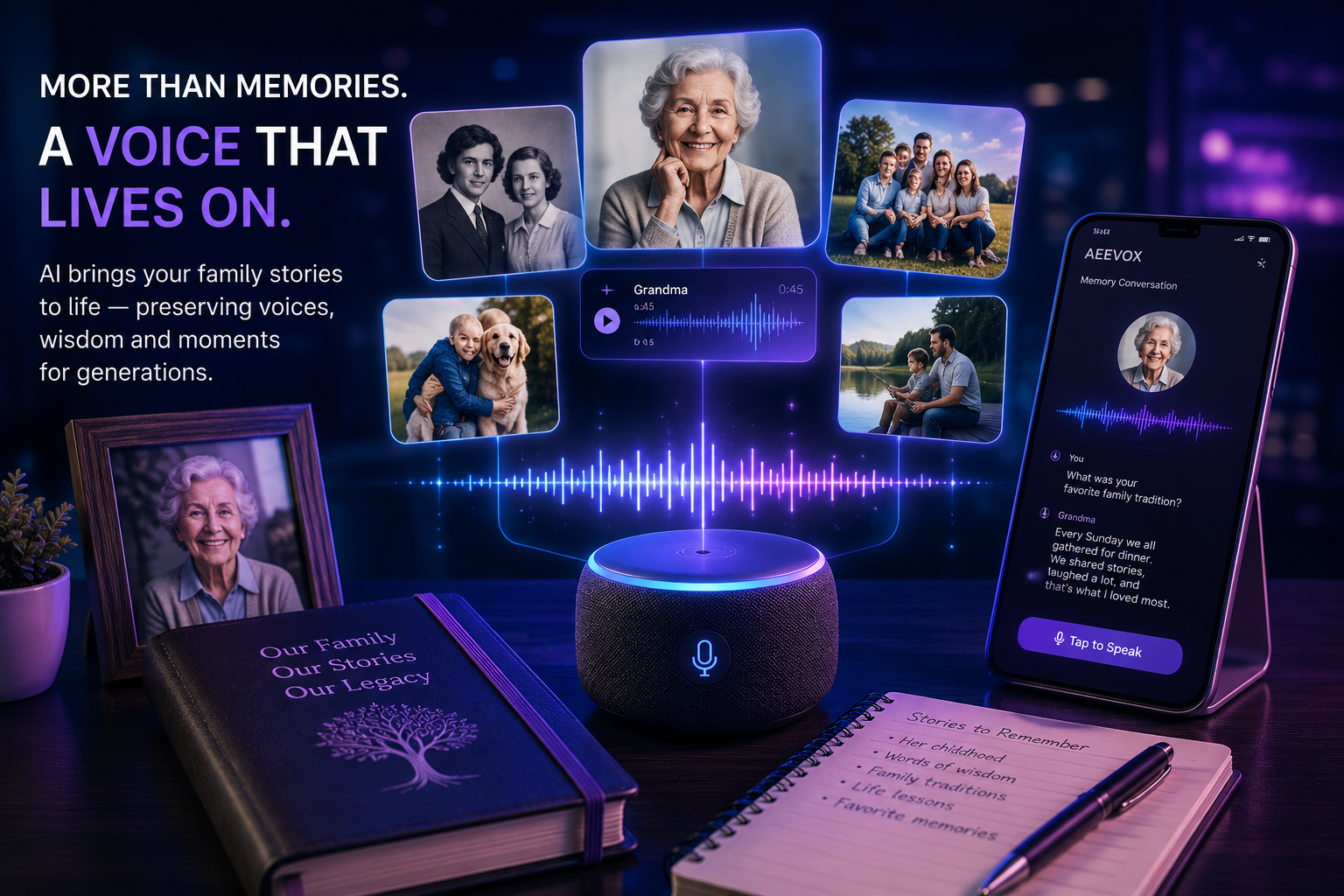
An AI that generates "letters" in the voice of a deceased relative may feel comforting for a moment and unsettling forever after. Preserve the real voice; do not manufacture new ones.
Replace the conversation
Asking your grandfather about his life is not a task to be delegated to a chatbot. The interview itself is the memory.
A responsible workflow
- Use AI to unlock material you already have (transcribe, translate, enhance).
- Use AI to suggest — never to decide.
- Label AI-touched content honestly so future generations can trust what they inherit.