Two children without a name
On the morning of 15 April 1912, the steamship Carpathia was picking up the Titanic's lifeboats from the icy water. In one of the last were two small boys, aged about four and two. They spoke only French, and no one around them knew their names.
The newspapers would soon call them the "Titanic orphans". But they were not orphans. Far across the ocean, in Nice, their mother was waiting for them, unaware that her children had ever been on that ship.
An Easter weekend that never ended
Their father, Michel Navratil, was born in 1880 in the town of Sereď, in today's Slovakia. In 1902 he moved to Nice and became a tailor. In 1907, in London, he married Marcelle Caretto, an Italian. A son, Michel, was born the following year, and Edmond in 1910. At home they were called Lolo and Momon.
By 1912 the marriage had broken down and the boys were living with their mother. At Easter they went to spend the weekend with their father. When Marcelle came to collect them, they were gone.
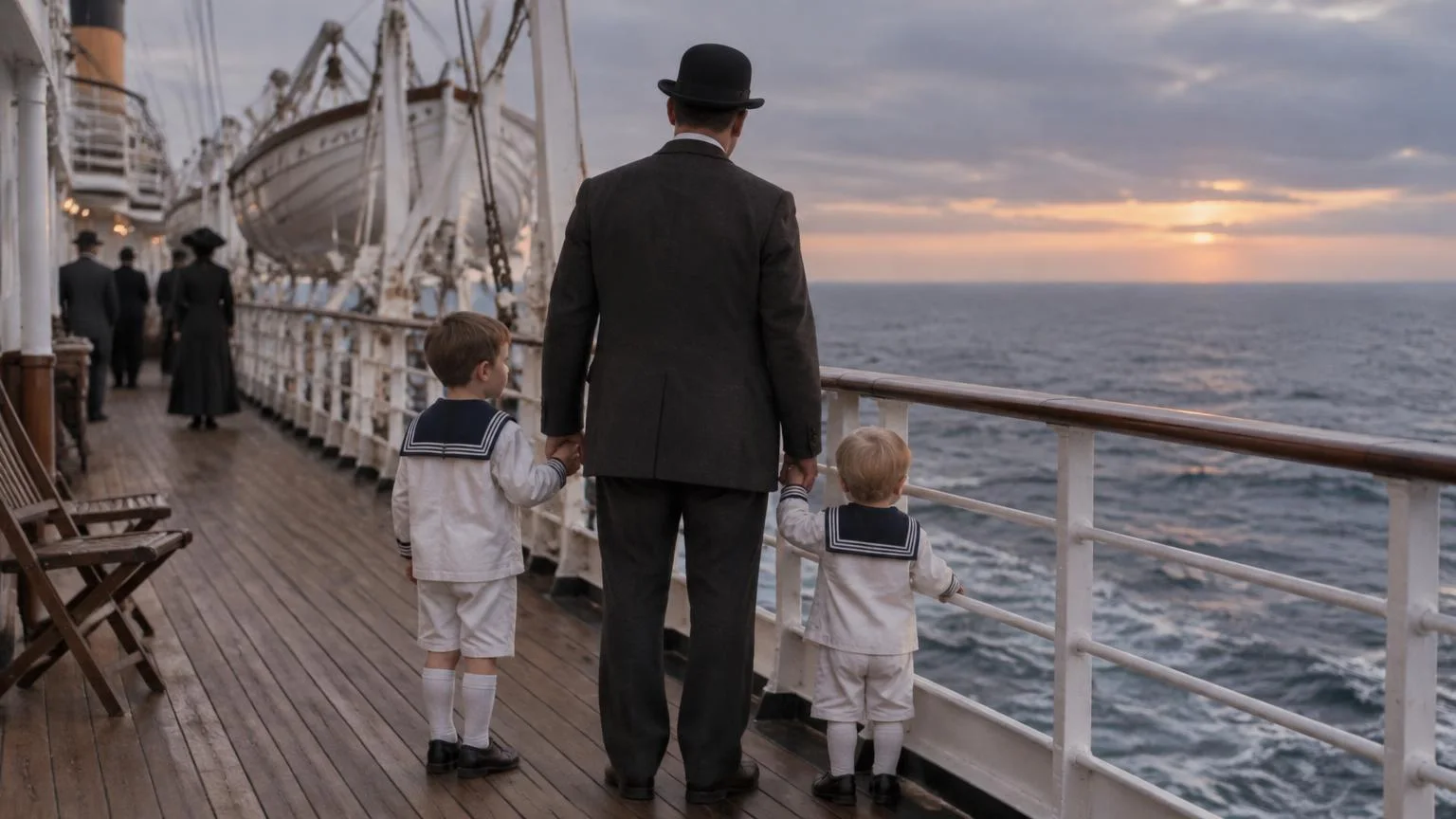
Travelling through Monte Carlo and London, the father and his sons reached Southampton. On 10 April they boarded the Titanic as second-class passengers. The father had bought the tickets under a false name, Louis Hoffman. He apparently intended to start a new life with the boys in America.
The last lifeboat
On the night of 14–15 April the Titanic struck an iceberg. The father dressed his sons and placed them in Collapsible D, the last lifeboat successfully launched. He stayed on board and died along with more than 1,500 other people.
In the boat, a first-class passenger fed the boys biscuits. On the Carpathia, they were taken under the wing of Margaret Hays, a French-speaking first-class passenger. In New York she took the children into her home while their family was sought.
The photograph that brought them home
The boys could not explain who they were or where they came from. They knew only their pet names. Newspapers on both sides of the Atlantic printed their photographs and nicknames, Lolo and Momon, in the hope that someone would recognise them.
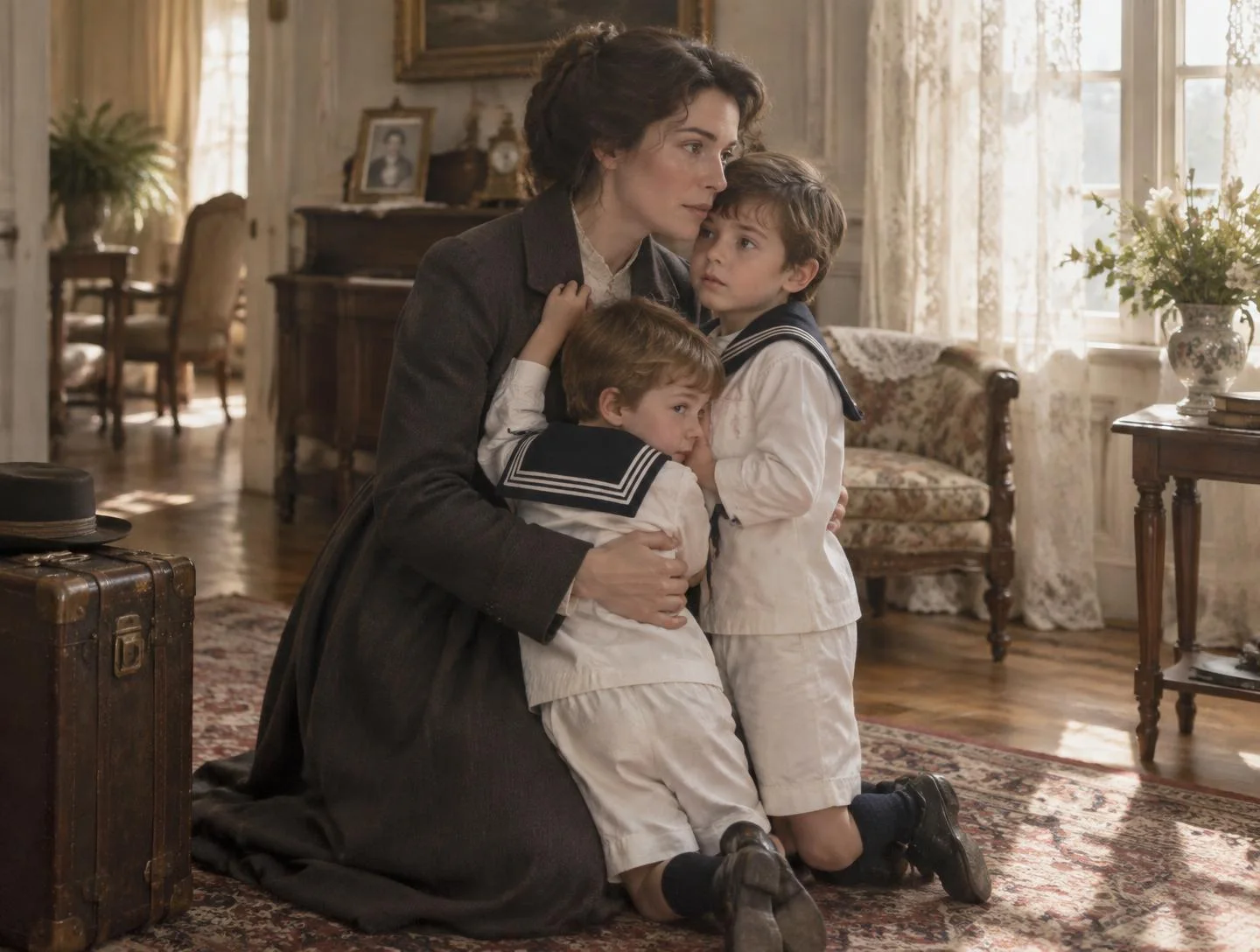
Their mother did. Marcelle Navratil saw a picture of her sons in the newspaper. The White Star Line, which owned the Titanic, brought her to New York aboard the Oceanic. On 16 May 1912, a month after the disaster, she held her children again. Soon afterwards they returned to France on the same ship. A surviving Library of Congress photograph shows both boys on their mother's lap, and its catalogue record mentions both the false name "Hoffman" and the pet names.
A grave under someone else's name
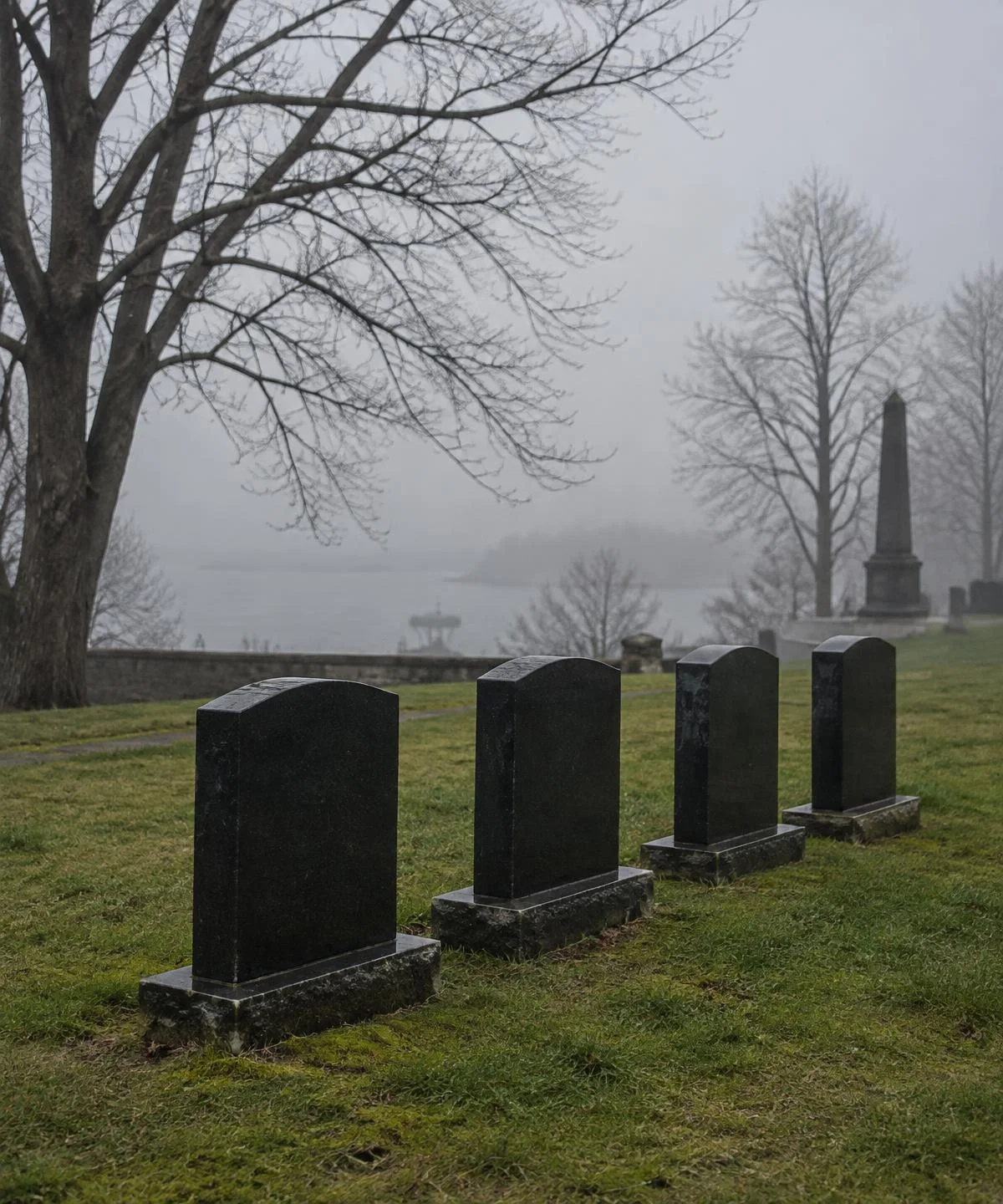
The father's body was recovered from the ocean and taken to Halifax, Canada. Because of the name Hoffman on his ticket, he was assumed to be Jewish and on 15 May 1912 was buried in the Jewish Baron de Hirsch Cemetery. The real name of the man who had saved his sons only emerged later. Encyclopedia Titanica tells the story in detail.
What happened next
Edmond became an architect and died in 1953, aged 43. Michel lived a long life: he earned a doctorate, became a professor of philosophy in Montpellier and died on 30 January 2001, aged 92. He was one of the last living survivors of the Titanic.
Why this is a family tree story
The Navratil story shows how easily a person can be lost when their real name is lost. Two boys had only their nicknames. Their father was registered under an invented surname, so he was even buried as somebody else. What reunited the family was a single photograph with the right caption.
Our family archives work the same way. An uncaptioned photo becomes a photo of strangers within fifty years. A nickname without a full name means nothing to great-grandchildren. That is why it is worth recording full names, dates and places, and alongside them the pet names that loved ones used.
How not to lose names in your own archive
- Caption every photo in full. Not "Grandma with the kids", but "Anna Koval (1931–2014) with her sons Ivan and Petro, Poltava, summer 1962".
- Record pet names next to real names. Lolo and Momon are lovely nicknames, but without their full names no one would have found them.
- Keep the history of changes. If someone changed their surname after marriage, emigration or for any other reason, note both versions and why.
- Note where the information came from. "According to Aunt Helen", "from the parish register", "from a 1975 letter": this lets descendants check it.
We collected similar stories in "One Family, a Thousand Journeys", about Annie Moore of Ellis Island. Another true story, about a boy who found his mother 25 years later, is in "A Long Way Home". And if you want to start your own tree, read how to start a family tree from scratch.
Start your family tree in AEEVOX: add people, their full names, pet names and captioned photos, so your descendants know who is who.
Sources
- Library of Congress — Survivors of the Titanic disaster (photo of Michel and Edmond Navratil with their mother, 1912)
- Encyclopedia Titanica — Michel Navratil
- Titanic Inquiry Project — RMS Oceanic
All images in this article are artistic illustrations and reconstructions created for AEEVOX. They are not historical photographs or portraits of real people.